Why a Free Roof Inspection in North Texas Could Save You Thousands
North Texas weather is something you learn to respect if you live here long enough. One afternoon the sun is blazing, and by midnight a line of storms rolls through with hail and straight-line winds that rattle every window in the house. After a season like that, your roof takes a beating. But most homeowners don't think about it until a water stain appears on the ceiling or a shingle lands in the yard. That's when the cost of repair has already gone up.
A professional inspection, especially one that doesn't cost you a dime upfront, changes that equation. Getting a free roof inspection north texas lets you learn about the true condition of your roof without any financial risk. You get a clear picture of what needs attention and what can wait. And that knowledge alone is worth more than most people realize. free roof inspection north texas
What a Professional Inspection Actually Covers
When a roofing contractor walks your roof, they aren't just glancing at the surface. They check for soft spots in the decking, loose or missing fasteners, and signs of water intrusion around vents, chimneys, and skylights. They look at the condition of flashing, the sealant around protrusions, and the state of your gutters and downspouts. For a metal roof, they pay attention to rust spots and seam integrity. For a flat roof, they inspect the membrane and look for ponding water that can accelerate deterioration.
A good inspector will also go into your attic if you have one. That's where early signs of a roof leak show up first: damp insulation, dark stains on the wood, or even just a musty smell. Catching those signs early can prevent mold growth and structural rot that would turn a minor repair into a major project.
And here's the practical side: most local roofing companies offer this service precisely because it builds trust. They know that once you see what they see, you're more likely to move forward with the work that actually matters. But you are never obligated to buy anything. That's the whole point of a free inspection.
Why North Texas Roofs Take a Unique Beating
North Texas sits in a weather corridor that produces some of the most severe hailstorms in the country. Hail the size of golf balls is not unusual. That kind of impact can bruise asphalt shingles, crack clay tile, and dent a metal roof in ways that aren't visible from the ground. Over time, those damaged spots become entry points for water.
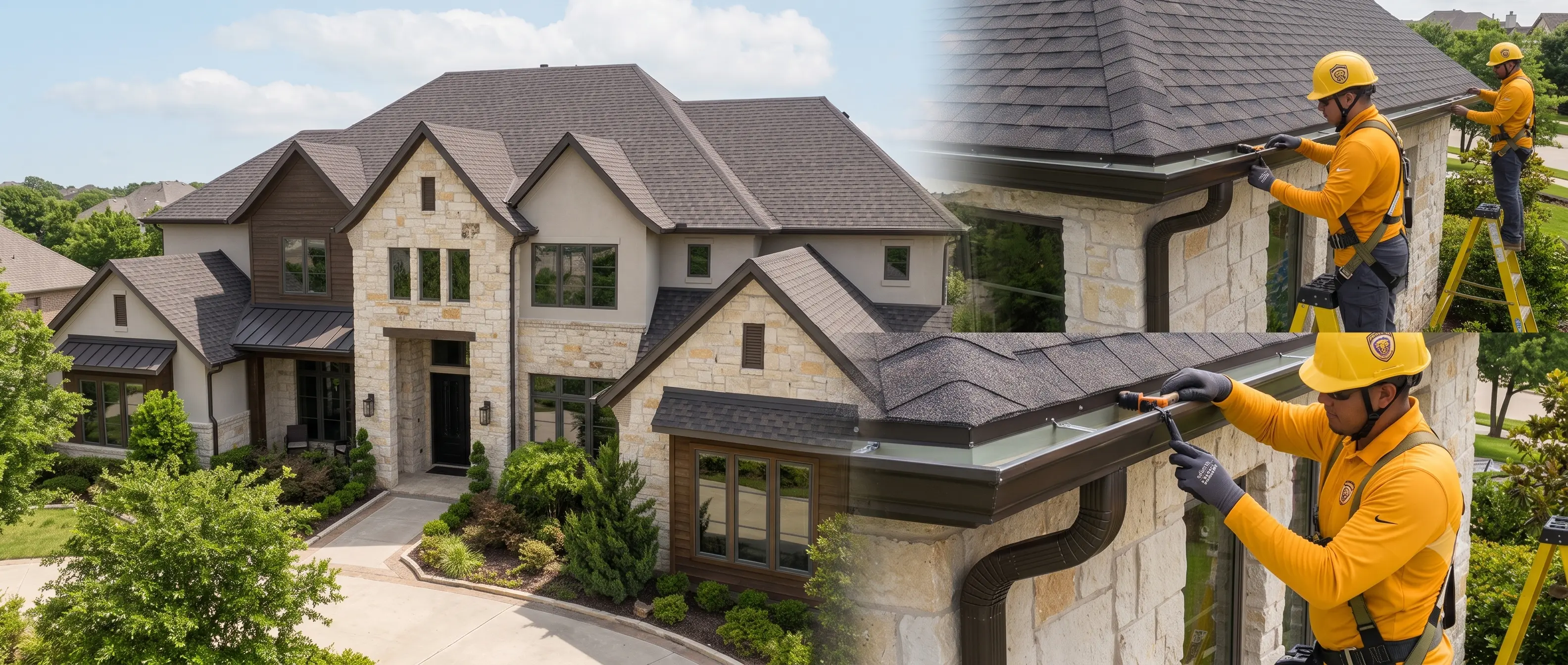
Then you have the heat. Summers here push triple digits for weeks at a stretch. That constant thermal expansion and contraction stresses every seam and seal. An asphalt shingle that took a hail hit six months ago will start to curl and crack faster under that kind of UV exposure. A slate roof handles it better, but even slate can develop hairline fractures if the underlying deck moves with the temperature swings.
Storm damage is another major factor. Wind-driven rain can lift the edges of shingles and force water up under them. After a big storm, it's smart to have someone walk the roof and document any issues, especially if you plan to file an insurance claim. Many policies have time limits on claims after a weather event. A free roof inspection north texas done right after a storm gives you the documentation you need to make that claim confidently.
The Connection Between Inspections and Insurance Claims
Insurance companies are not in the business of paying out more than they have to. If you file a claim without detailed photos and a written estimate from a licensed roofing contractor, you are leaving money on the table. A thorough inspection report includes measurements, material assessments, and a clear breakdown of what needs repair versus replacement. That document becomes the backbone of your claim.
Most insurers also require proof that damage was caused by a specific event, like a hailstorm, rather than gradual wear and tear. A professional inspector knows how to differentiate between the two and will note the likely cause of each issue. That distinction can mean the difference between a claim being approved or denied.
And if you have a roof warranty from the original installation, an inspection can help you determine whether a problem is covered. Many warranties require regular maintenance inspections to stay valid. Skipping them can void coverage down the road.
What to Look for in a Roofing Contractor
Not all inspections are equal. You want a licensed, insured roofing contractor who has experience with the specific roofing materials on your home. If you have a flat roof with a TPO or PVC membrane, you want someone who has worked with commercial roofing systems. If you have a residential roof with architectural shingles, you want someone who understands the nuances of asphalt, fiberglass, and slate blends.
Ask questions before you schedule the inspection. How long have they been in business? Do they carry workers' comp and liability insurance? Will they provide a written report? Will they take photos? A reputable company will be happy to answer all of those questions because they have nothing to hide.
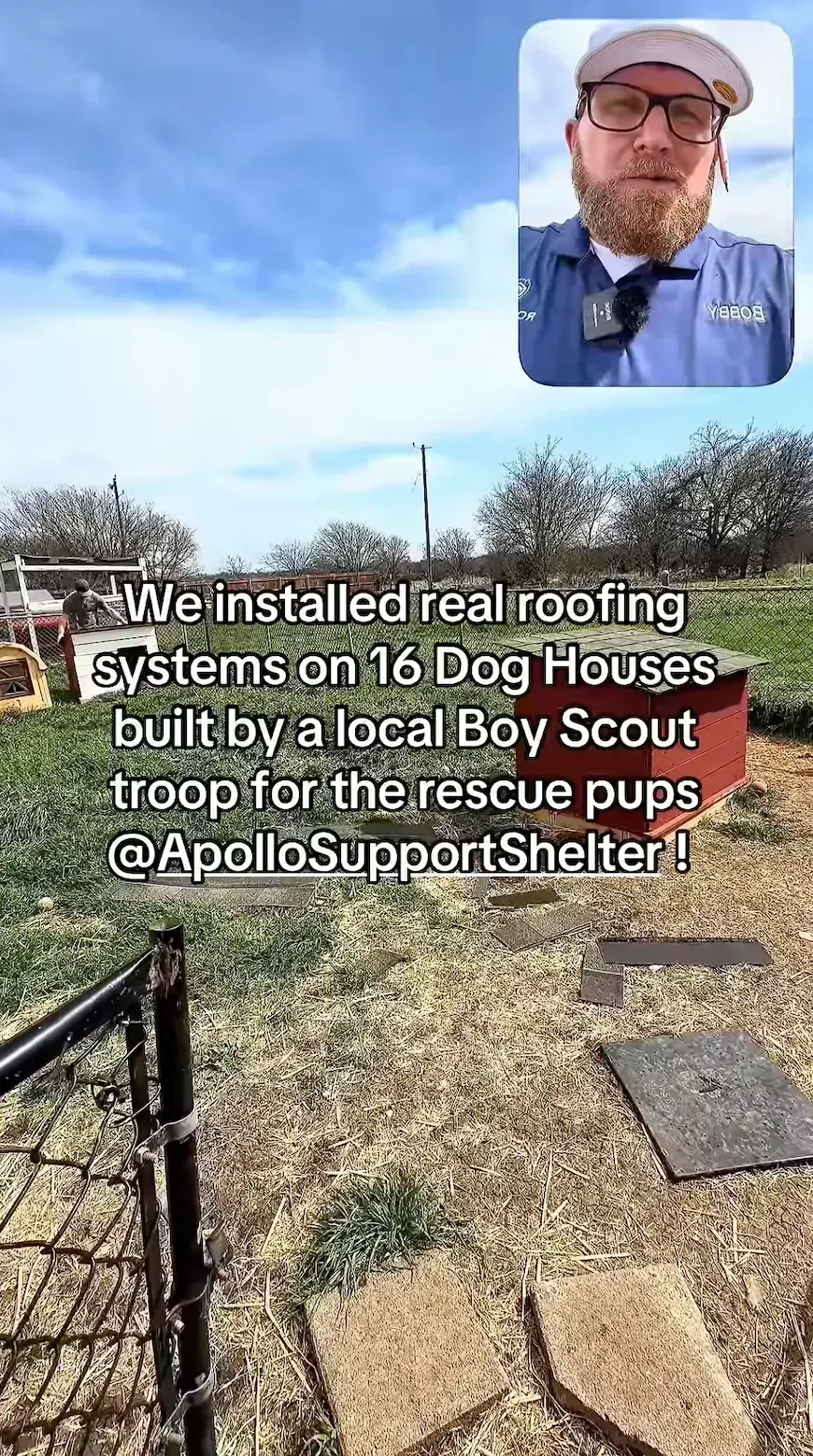
RoofDog, for example, is a local roofing company that serves North Texas and focuses on both roof installation and roof repair for residential and commercial properties. They also donate a portion of their profits to local dog rescues, which tells you something about the kind of people running the operation. But regardless of who you call, the standard should be the same: thorough, transparent, and no pressure.
How a Free Estimate Differs From an Inspection
A free estimate is usually a quick look at the roof from the ground or from a ladder to give you a rough price for a specific job. It's useful for budgeting but it is not a substitute for a full inspection. An inspection involves walking the roof, checking the attic, and evaluating all components. It's a diagnostic service, not a sales tool.
Some companies offer a free estimate that they call an inspection, but if they don't get on the roof, they are not giving you the full picture. When you schedule a free roof inspection north texas, confirm that the visit includes a physical walk of the roof surface. That is the only way to catch hidden damage.
When Should You Get an Inspection?
At least once a year is a good rule of thumb, ideally in the spring before storm season peaks. You should also schedule one after any major weather event that included hail, high winds, or heavy rain. If you are buying or selling a home, an inspection gives you leverage in negotiations. And if you notice a roof leak, even a small one, get an inspection before you call a repair crew. The leak might be coming from a spot that is different from where the water shows up inside the house.
Material matters too. A clay tile roof can last a hundred years with proper care, but the underlayment and fasteners still age. A metal roof can develop corrosion at the seams if the protective coating wears thin. A flat roof with a built-up system may need recoating every decade or so. An inspection will tell you where your specific roof stands in its life cycle.

And if you are thinking about replacing your roof anyway, an inspection helps you decide whether the existing structure can handle a new covering. Sometimes the decking needs to be replaced, or the ventilation needs improvement. Those are things you want to know before you start pricing materials.
Final Thoughts on Protecting Your Investment
Your roof is one of the most expensive components of your home. It keeps everything else dry and safe. A small investment of time for a professional inspection can prevent thousands of dollars in unexpected repairs. It also gives you peace of mind when the next storm rolls through. In North Texas, that peace of mind is worth a lot.
So whether you own a residential property with asphalt shingles or a commercial building with a flat membrane roof, take advantage of the free inspections that reputable contractors offer. It costs you nothing but an hour of your time, and it might save you from a major headache down the road.